Island Hopping in the Philippines: A Complete Itinerary
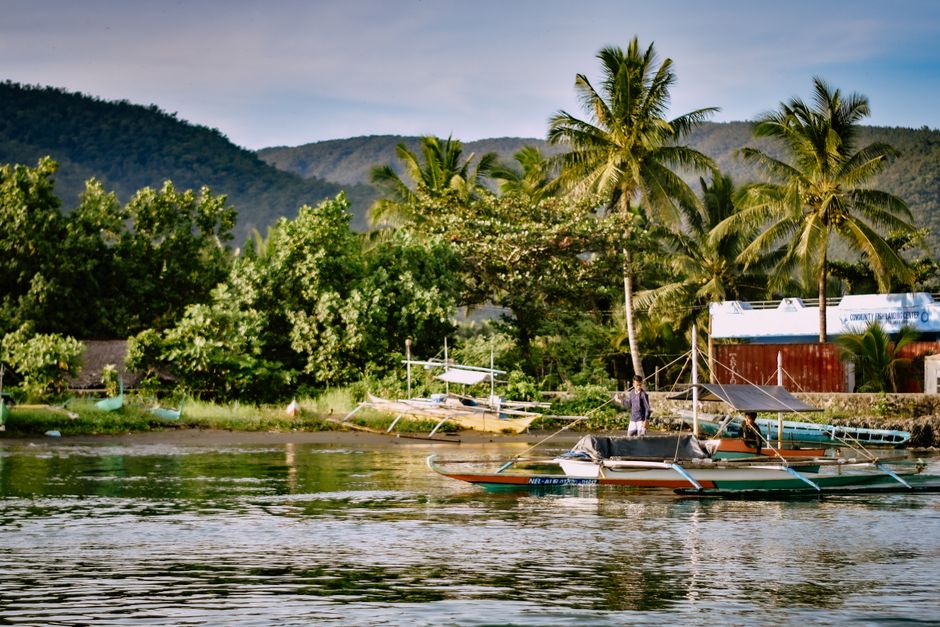
The Philippines, an archipelago of over 7,000 islands, offers some of the most diverse and breathtaking island-hopping experiences in the world. For travelers seeking to explore multiple regions, a well-planned itinerary is essential to navigate the distances and logistics. This guide presents a comprehensive route covering three iconic destinations: Palawan, Cebu, and Siargao. It focuses on ferry schedules, budget considerations, and the discovery of hidden lagoons, aiming to provide a practical framework for planning a journey through these Philippine highlights.
Each destination presents a unique character, from the limestone cliffs of Palawan to the vibrant marine life of Cebu and the laid-back surf culture of Siargao. While these islands are geographically dispersed, recent improvements in transportation have made multi-island trips more accessible. However, the key to a smooth journey lies in understanding the ferry networks, local transportation, and seasonal weather patterns. This article offers an informational overview without guaranteeing specific outcomes, as travel experiences depend on many variables such as weather, schedules, and personal preferences.
Planning Your Route: From West to East
The logical progression for an island-hopping tour is from west to east, beginning in Palawan, moving to Cebu in the Visayas, and concluding in Siargao in the Surigao del Norte region. This order minimizes backtracking and aligns with typical flight and ferry connections. Palawan, often cited for its pristine natural seascapes, is commonly the starting point due to its accessibility from Manila or Cebu. After exploring Palawan’s lagoons and islets, travelers can fly from Puerto Princesa to Cebu City, a major transport hub. From Cebu, several ferry and flight options exist to reach Siargao, with the main entry point being Del Carmen or Surigao City.
Seasonal considerations play a critical role in this route. The dry season, spanning from November to April, generally offers calmer seas and more stable weather, ideal for island hopping. The wet season, from June to October, can bring typhoons, particularly affecting the eastern seaboard where Siargao is located. It is advisable to check weather forecasts and ferry advisories regularly during the planning stage and throughout the trip, as schedules can change unexpectedly.
Palawan: Exploring Puerto Princesa and El Nido
Palawan’s main attractions for island hoppers are concentrated around El Nido and Coron, but the itinerary often begins with a flight into Puerto Princesa, the capital. From Puerto Princesa, travelers can take a van or bus to El Nido, a journey of approximately five to six hours by land. El Nido is renowned for its towering limestone karsts, turquoise waters, and hidden lagoons. The common approach is to join multi-day or single-day island-hopping tours that navigate the Bacuit Archipelago.
Among the most sought-after natural features are the hidden lagoons, accessible only through small openings in the limestone cliffs. The most famous include the Big Lagoon and the Small Lagoon, located near Miniloc Island. While these sites have become popular, park regulations and visitor limits are in place to preserve their integrity. For those seeking less crowded areas, the nearby Shimizu Island and Secret Lagoon offer a quieter experience, though they may require a longer boat ride. It is important to note that the accessibility of these lagoons depends on tide levels and weather conditions, so flexible planning is necessary.
Accommodations in El Nido range from beachfront hostels to luxury eco-resorts, with prices varying widely. Budget-conscious travelers often find that booking tours locally upon arrival can yield better rates than purchasing packages in advance. However, during peak season, availability might be limited, so pre-booking at least a day ahead is wise. The town of El Nido itself is a hub for travelers, providing access to dining, transportation, and tour operators. While the infrastructure has improved, power outages and water shortages can still occur, so knowing the local context is beneficial.
Cebu: A Central Hub for Seaside Escapes
Cebu, the Philippines’ oldest city, serves as a strategic midpoint for this island-hopping journey. With its international airport and extensive ferry connections, travelers can easily enter and exit. From Palawan, direct flights connect Puerto Princesa and Cebu City, taking about an hour. Alternatively, ferries operate between Coron and Cebu, but schedules are less frequent, and sea travel can be lengthy. Once in Cebu, the island offers its own array of attractions, including the famous whale shark interaction in Oslob, island hopping in Moalboal, and the pristine sandbars of Malapascua Island.
For travelers looking to explore beyond the city, the south of Cebu is accessible via buses and vans from the Cebu South Bus Terminal. A popular route involves taking a high-speed ferry from Cebu City to Bohol, known for the Chocolate Hills and tarsiers, but that would be a deviation from the main route. However, if time permits, a side trip to nearby islands can enrich the experience. The ferry network across the Visayas is extensive, with multiple operators like OceanJet, Weesam Express, and 2GO Travel offering services.
Cebu City itself offers historical sites such as Magellan’s Cross and Fort San Pedro, worth visiting for a dose of culture. The city’s food scene is also celebrated, with lechon (roasted pig) being a local specialty. For those proceeding to Siargao, the next leg requires careful planning. There are direct flights from Cebu City to Siargao (Sayak, Del Carmen) operated by Philippine Airlines and Cebgo, with a flight time of about 1 hour. Alternatively, ferries run from Cebu to Surigao City (approximately 4-7 hours), from where transfers to Siargao’s port are available. The ferry option is often preferred by budget travelers, as it is considerably cheaper than flying, though it takes longer and is subject to sea conditions.
Siargao: Surfing, Lagoons, and Island Discovery
Siargao, often referred to as the Surf Capital of the Philippines, has gained global recognition for its powerful waves, particularly the Cloud 9 break. However, beyond its surf scene, Siargao offers a tranquil lifestyle and a variety of natural wonders accessible via island hopping. The island’s main town, General Luna, is a bustling yet laid-back base with numerous resorts, restaurants, and tour operators.
Island hopping in Siargao typically includes visits to nearby islets such as Naked Island, Daku Island, and Guyam Island. These tours often include snorkeling in clear waters and relaxing on white sandbars. For those seeking hidden lagoons, the Sugba Lagoon in Caob is a must-see, with its crystal-clear emerald waters and the option to kayak or jump from a rustic diving platform. Another lesser-known site is the Magpupungko Rock Pools, where tidal pools form a natural swimming area during low tide. These spots illustrate the region’s diverse coastal environment.
The journey between Cebu and Siargao can be navigated by ferry or plane. Ferries from Cebu to Surigao City, such as those operated by Cokaliong Shipping Lines, provide economical rates, but the crossing can be rough during the rainy season. From Surigao City, vans and boats are available to the northernmost tip of Siargao, taking about two to three hours. Alternatively, flying directly to Siargao’s only airport saves time, yet it is wise to book well in advance, especially around surfing competitions and the dry season. For those who can adapt to changing schedules, this leg of the journey can be part of the adventure itself.
Navigating Ferry Schedules and Budget Considerations
Ferry schedules in the Philippines are subject to change without notice, often due to weather or mechanical issues. High-speed ferries and fast craft services link major ports, but the availability of daily departures varies. For instance, the route between Palawan and Cebu is not directly served by ferries; thus, travelers must either fly via Manila or take a combination of ferry and land transportation, which may involve staying overnight in Iloilo or Cagayan de Oro. Given the potential complexities, many travelers prioritize flights over ferries for long distances, reserving ferry use for shorter island hops within regions.
When it comes to budgeting, the Philippines is generally affordable, but costs can escalate if not monitored. In Palawan, a standard island-hopping tour from El Nido costs around 1,500 to 2,000 PHP per person for a shared group, excluding entrance fees and lunch, which are often extra. In Siargao, island-hopping packages range from 900 to 1,500 PHP, depending on the itinerary and group size. To maximize value, joining group tours and bargaining for transportation is common. However, it is important to ensure that tour operators are registered and that safety equipment is provided, a key consideration for any marine activity.
Budget tips for island hopping include staying in hostels or guesthouses, eating at local eateries, and booking tours in groups to share costs. Flexibility with travel dates can lead to discounts, especially during low season, but remember that low season may bring unpredictable weather.
Accommodation costs vary significantly; a budget room might cost between 800 to 1,500 PHP per night in El Nido or General Luna, while mid-range resorts can range from 2,500 to 5,000 PHP. Keeping a daily record of expenses can help manage finances, and withdrawing cash is often necessary as ATMs may be scarce on smaller islands. Overall, a moderate daily budget of 2,000 to 3,000 PHP per person for shared expenses is a plausible starting point, but this depends on individual choices.
Discovering Hidden Lagoons: Practical Tips
Hidden lagoons are among the Philippines’ most magisterial natural treasures, but accessing them requires consideration. In Palawan, the lagoons in El Nido are managed by the Department of Tourism and the local government, with established visitor regulations. Tourists are often required to wear life vests and may use kayaks or guided boat tours. In Siargao, the Sugba Lagoon is similarly regulated, with a fixed entrance fee that includes a short boat ride from Del Carmen. Researching these details in advance helps ensure a pleasant experience.
Since lagoon visits depend on tide times, it is prudent to schedule these tours earlier in the day to catch favorable conditions. Some lagoons, like the Secret Lagoon in El Nido, are only accessible during low tide, so tour operators usually plan accordingly. Additionally, protecting the environment by not using harmful sunscreens and avoiding littering is crucial. Many tour operators now promote eco-friendly practices, and travelers are encouraged to support these efforts.
For those who prefer a less touristy atmosphere, there are lesser-known lagoons in the Calamian Islands, such as those in Coron, which include Barracuda Lake and Kayangan Lake. However, the itinerary detailed here focuses on Palawan, Cebu, and Siargao due to their connectivity. While it is impossible to see every hidden spot, the chosen route offers a balanced mix of popular and off-the-beaten-path sites, allowing travelers to tailor their exploration based on time and interests.
Ultimately, a successful island-hopping trip in the Philippines requires embracing the journey as much as the destinations. Because ferry schedules and weather can disrupt even the best plans, having a flexible mindset and adequate time buffers between segments is essential. The following itinerary, while structured, can be adjusted to accommodate unexpected changes, ensuring that each traveler can create their own narrative of discovery amidst the islands’ splendid landscapes.
Sample Itinerary: 14-Day Suggested Overview
- Days 1-3: Palawan (Puerto Princesa to El Nido) – Arrive in Puerto Princesa, travel to El Nido, explore the town and nearby beaches.
- Days 4-6: El Nido Island Hopping – Join a lagoon-hopping tour (e.g., Tour A for the Big and Small Lagoons) and spend a day on a secluded beach.
- Day 7: Travel to Cebu – Fly or ferry from Puerto Princesa to Cebu; settle in Cebu City.
- Days 8-9: Cebu Highlights – Visit historical sites or travel to the south for Kawasan Falls and Moalboal’s sardine run.
- Day 10: Travel to Siargao – Fly or ferry to Siargao; check into a resort in General Luna.
- Days 11-13: Explore Siargao – Dedicate a day to island hopping (Naked, Daku, Guyam), a day to the Sugba Lagoon, and a day to surfing or relaxing.
- Day 14: Return – Depart from Siargao or travel back to Cebu for an international flight.
This timeline assumes favorable travel conditions and allows for delays. If time permits, extending the stay on any island can enhance the experience. The beauty of island hopping lies in the freedom to explore, but a clear outline helps manage expectations and logistics. Whether it’s the dramatic cliffs of Palawan, the cultural richness of Cebu, or the peaceful vibes of Siargao, the Philippines presents a diverse palette for the island enthusiast. The journey itself becomes a learning process about the local seas, communities, and ecosystems, reinforcing the value of responsible travel.