Solo Travel in Japan: Safety, Etiquette, and Finding Solitude
Traveling alone offers a unique opportunity to engage with a destination on a personal level, and Japan presents an especially compelling backdrop for such a journey. The country’s renowned safety, deep-rooted customs, and abundance of tranquil spaces create an environment where solo exploration can be both comfortable and enriching. Our own solo journey through Japan provided ample material for reflection, not only on the logistics of travel but also on the cultural nuances that shape daily interactions. In this article, we share observations and practical considerations for those contemplating their own solo adventure, focusing on safety, etiquette, and the pursuit of serene moments away from the crowds.
Japan’s reputation for safety is well-earned, yet it is not a blanket guarantee. For solo travelers, understanding the context of this safety is crucial. Violent crime is extremely rare, and petty theft is uncommon, but this does not mean one should abandon common sense. The low crime rates are supported by a societal framework that values order and respect, which manifests in everything from lost-and-found systems to the behavior of locals. However, tourists are not immune to occasional scams or overcharging in certain areas, particularly in entertainment districts like Kabukicho in Tokyo. Therefore, maintaining a basic level of situational awareness is advisable, just as it would be in any unfamiliar city. Additionally, natural disasters such as earthquakes and typhoons are a reality, and being prepared with knowledge of evacuation procedures and emergency contacts adds a layer of security to one’s journey.
Etiquette in Japan is a rich and nuanced subject that influences social interactions profoundly. For solo travelers, who may not have a companion to consult, understanding these unwritten rules becomes even more important. Bowing is a common form of greeting and showing respect, though a small nod is often sufficient for foreigners. When using public transportation, it is customary to keep conversations quiet and to avoid eating or drinking on most trains. Removing shoes is expected in many traditional accommodations and some restaurants, so paying attention to cues at entrances is key. Additionally, the concept of ‘公共の場でのマナー’ (manners in public places) extends to actions like blowing one’s nose, which is considered rude; instead, sniffling is tolerated. These customs are not aimed at testing visitors but are part of a daily rhythm that prioritizes harmony and consideration for others. Engaging with these practices, even imperfectly, is generally appreciated as a sign of goodwill.
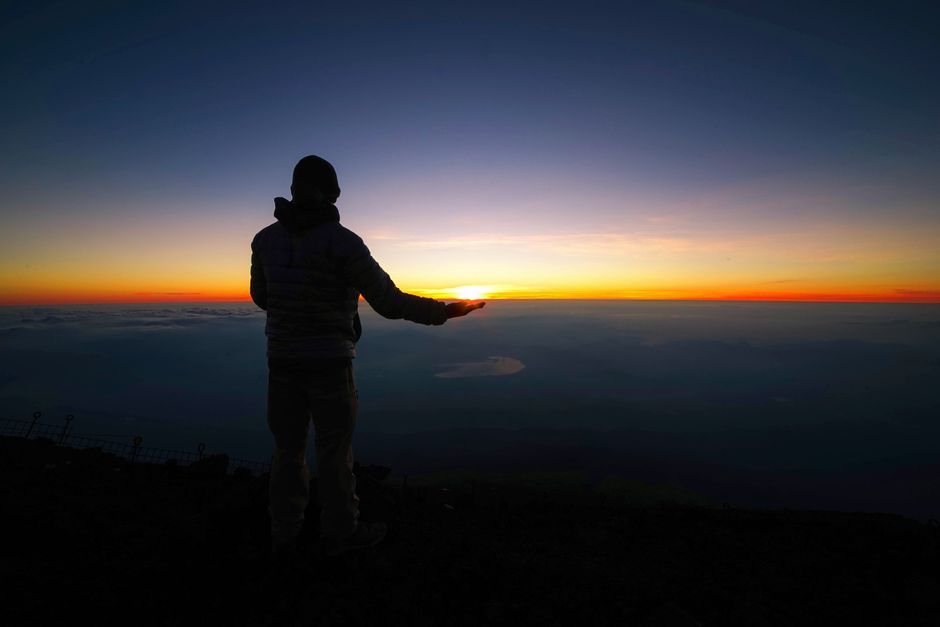
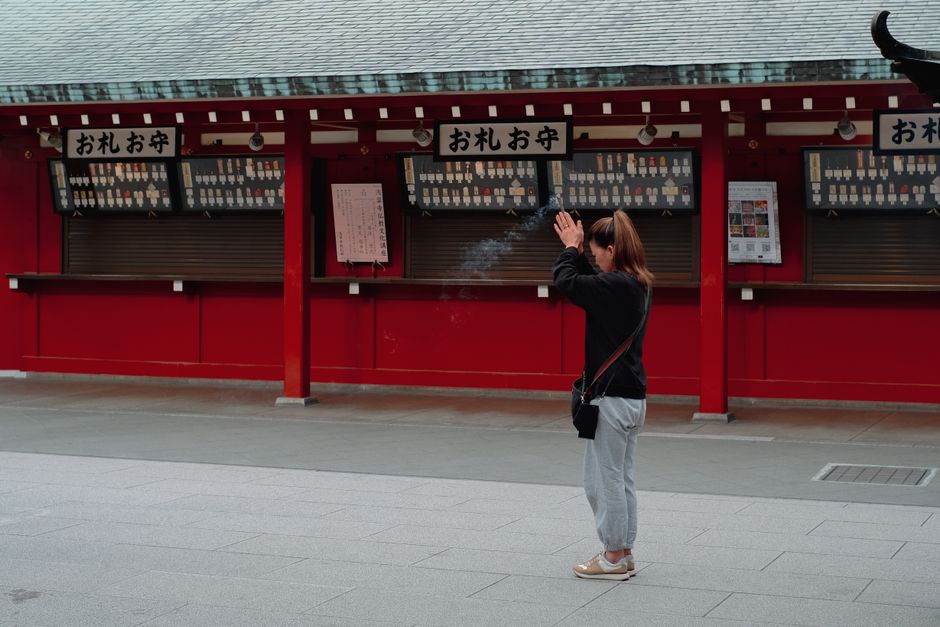
Finding solitude in Japan, despite its bustling cities, is a matter of knowing where to look. Temples and shrines offer havens of peace, but they also tend to attract crowds. To discover quieter alternatives, it is helpful to venture slightly off the main paths. For example, smaller neighborhood temples, such as those in Kyoto’s northern districts, often see fewer visitors and provide a space for genuine contemplation. Additionally, Japan’s extensive network of hiking trails, from the paths of Mount Koya to the coastal routes in the Izu Peninsula, present opportunities to be surrounded by nature and alone with one’s thoughts. Even in urban centers like Tokyo, hidden oases like the gardens of the former feudal lords—such as Rikugien or Koishikawa Korakuen—offer a respite from the urban rush, especially during early morning hours. The key is to embrace spontaneity: wandering down unmarked streets or following a local’s recommendation can lead to unexpected moments of quiet.
Reflecting on our journey, we recognized that solo travel in Japan is as much an internal exploration as it is an external one. The meticulous attention to detail in everything, from train timetables to meal presentation, encourages a mindful approach to travel. Each day becomes a sequence of small rituals—purchasing a ticket, finding a seat on the train, ordering at a restaurant—that, when performed alone, heighten one’s awareness of the present moment. While there is no guaranteed transformation from such a trip, many solo travelers find that the experience fosters a deeper sense of self-reliance and introspection. The path to solitude is often paved with singular moments: the sound of a temple bell in the distance, the scent of incense in an empty hall, or the sight of a garden meticulously raked. These moments are not only attainable but can be discovered with a bit of planning and a willingness to stray from the well-trodden route.
Safety, etiquette, and solitude are interrelated elements that shape the solo travel experience in Japan. By approaching each with an open mind and a sense of respect, travelers can navigate the country with ease and grace. Preparation, such as learning a few basic Japanese phrases or studying local customs, can greatly enhance one’s comfort level. Yet, it is equally important to allow room for improvisation and to accept that not every moment will unfold perfectly. Japan is a country where tradition and modernity coexist harmoniously, and for solo adventurers, it offers a remarkable canvas for reflection and personal growth. As our journey came to a close, we found that the memories of quiet temples and peaceful moments lingered long after we returned home, reminding us that sometimes, the greatest discoveries are made when we are alone.