Climbing Mount Fuji: Tips, Costs, and Stunning Views
Mount Fuji, Japan’s highest peak at 3,776 meters, offers a unique climbing experience that attracts thousands of hikers each year. The mountain is not only a natural icon but also a cultural symbol, and its symmetrical cone provides a backdrop for what many consider a once-in-a-lifetime adventure. This article aims to provide comprehensive information for those considering the climb, covering trail options, gear requirements, and the breathtaking sunrise views that await at the summit.
Climbing Mount Fuji is not a technical mountaineering endeavor, but it does require careful preparation and respect for the mountain’s conditions. The climbing season is short, typically from early July to mid-September, when the weather is relatively stable and facilities are open. Outside this period, the mountain is covered in snow and considered dangerous for casual climbers. Understanding the logistics, costs, and physical demands will help ensure a safe and enjoyable experience.
In the following sections, we will explore the various trails, the equipment needed, the costs involved, and the awe-inspiring sunrise that rewards those who reach the top. Whether you are a seasoned hiker or a first-time climber, this guide will provide the essential information to plan your own ascent of Mount Fuji.
Choosing the Right Trail
Mount Fuji offers four main trails: Yoshida, Subashiri, Gotemba, and Fujinomiya. Each has its own characteristics in terms of difficulty, scenery, and accessibility. The Yoshida Trail is the most popular, starting from the Fuji Subaru Line 5th Station at 2,300 meters. It is well-maintained and has the most mountain huts, making it a good choice for first-time climbers. The trail is also the only one that allows access to the summit from the north side, offering a different perspective on the mountain.
The Subashiri Trail begins at a lower elevation (2,000 meters) and features a sandy descent that can be fun but also tiring on the knees. It is less crowded than Yoshida and provides a more natural experience. The Gotemba Trail is the longest and least steep, but it has fewer facilities and is physically demanding due to its length. The Fujinomiya Trail is the shortest and steepest, starting from the highest trailhead at 2,400 meters. It is suitable for experienced climbers who want a quicker but more strenuous ascent.
When selecting a trail, consider your fitness level, the time you have, and the kind of experience you seek. Each trail offers different views of the surrounding landscapes, including lakes, forests, and on clear days, the Pacific Ocean. It is also important to check the current trail conditions and closures before departing, as weather and volcanic activity can affect accessibility.
Essential Gear and Preparation
Proper gear is critical for a safe and comfortable climb. Even in summer, temperatures at the summit can drop to near freezing, and winds can be strong. Layered clothing is essential: a moisture-wicking base layer, an insulating mid-layer, and a waterproof and windproof outer shell. Trekking poles are highly recommended, as they reduce strain on your knees, especially during the descent. Sturdy hiking boots with good ankle support are a must, as the trail consists of rocky and volcanic ash sections.
Other essentials include a headlamp with spare batteries, as many climbers start the ascent in the early morning hours to reach the summit for sunrise. Sun protection, including sunglasses and sunscreen, is crucial because the sun’s reflection on the volcanic rock can be intense. Water and high-energy snacks should be carried, although you can also purchase them at mountain huts. A small backpack to carry these items, along with a rain cover, is necessary.
Physical preparation cannot be overlooked. Climbing Mount Fuji involves a significant elevation gain, and altitude sickness is a real risk. It is advisable to acclimatize by spending a night at a lower altitude near the mountain, such as at one of the 5th stations, before climbing. Additionally, practicing hiking on steep terrain and building cardiovascular endurance will make the experience more enjoyable. Many climb organizers recommend starting the ascent in the afternoon, staying overnight in a mountain hut, and then continuing to the summit for sunrise, which allows for gradual altitude adjustment.
Understanding the Costs
The cost of climbing Mount Fuji can vary depending on your choices. The mountain itself does not have an entrance fee, but there is a suggested donation of 1,000 yen (approximately 7 USD) to support environmental conservation and maintenance of the trails. This is voluntary but strongly encouraged. Transport to the trailheads, which are accessible by bus from major cities like Tokyo, costs around 2,000-3,000 yen one-way from the Fuji Subaru Line 5th Station.
Accommodation in mountain huts, which provide a sleeping space and sometimes meals, is a significant expense. Prices range from 5,000 to 10,000 yen per night, with meals adding another 1,000-2,000 yen. It is essential to reserve these huts in advance, especially during the peak season. Alternatively, some climbers choose to do a day climb, saving on accommodation but facing a longer and more tiring day. However, night climbs without hut stays are not recommended due to safety concerns.
Other potential costs include gear rental if you do not own equipment, guide services, and travel insurance. A full budget for a climber from Tokyo, including transport, hut stay, and food, might range from 15,000 to 25,000 yen (100-170 USD). It is wise to carry some cash, as not all facilities accept credit cards at higher elevations.
The Sunrise at the Summit
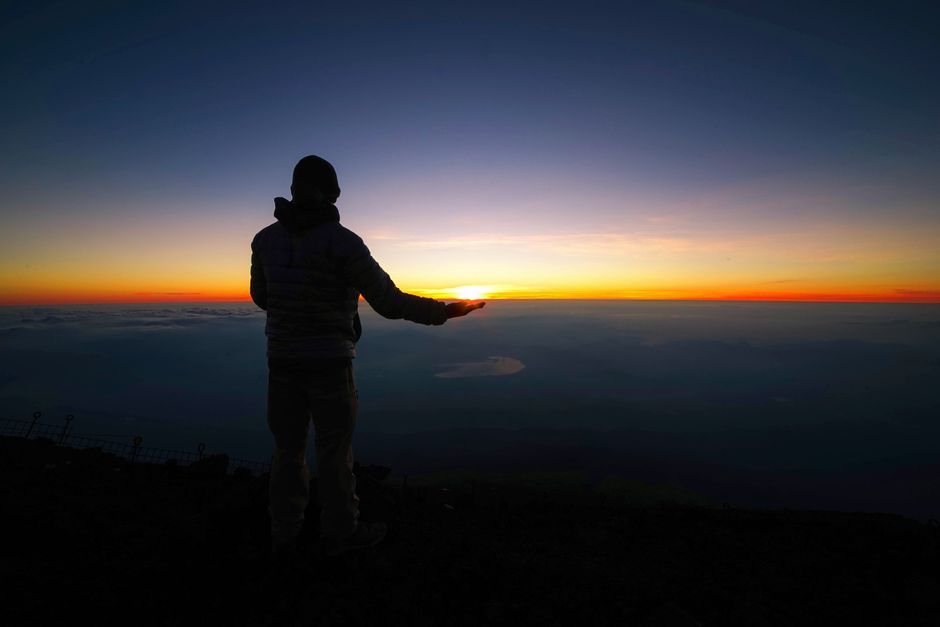
One of the most rewarding aspects of climbing Mount Fuji is witnessing the sunrise from the summit, known as ‘Goraiko’. The view of the sun rising over the clouds, with the shadow of the mountain cast on the sea of clouds, is a majestic sight. Many climbers time their ascent to arrive at the summit just before dawn, often starting the final leg of the climb in the dark hours of the early morning.
The summit area includes a crater loop walk (around the rim), which takes about an hour, offering panoramic views in every direction. On clear days, you can see as far as the Japanese Alps and even the coast. It is important to be mindful of the weather, as clouds can obscure the views, and to dress warmly, as the wind chill at the summit can be biting.
After enjoying the sunrise, you will need to descend, which can be physically demanding, especially on the sandy trails. It is crucial to allow enough time for the descent before the last buses leave the trailheads, usually around 5-6 PM. Many climbers find the descent takes about half the time of the ascent, but it requires extra caution to avoid slipping on loose rocks and gravel.
Important Considerations and Etiquette
Climbing Mount Fuji is a popular activity, and with that popularity comes responsibilities. The mountain is considered sacred in Japanese culture, and it is important to show respect. This includes not littering, staying on designated trails, and being considerate of other climbers and the environment. There are designated rest areas and toilets along the trail, many of which require a small fee (around 100-200 yen).
Be aware of the symptoms of altitude sickness, which can include headache, nausea, dizziness, and fatigue. If you experience these, it is advisable to descend to a lower altitude rather than continuing upward. Climbers should also monitor their physical condition and that of their companions, and be prepared to turn back if necessary. Safety should always be the top priority.
Finally, check the weather forecast before and during your climb. Mountain weather can change rapidly, and conditions such as strong winds, thunderstorms, or heavy rain can make the climb hazardous. Being flexible with your schedule and having a backup plan is wise. By adhering to these principles, you can enjoy the incredible experience that climbing Mount Fuji offers.