Packing Light: How to Travel for Weeks with a Carry-On
Embarking on an extended journey with only a carry-on is a goal for many travelers, yet it often seems daunting. The idea of fitting weeks’ worth of clothes, toiletries, and gear into a single bag can feel restrictive. However, the concept of minimalist travel is not about depriving yourself but about making intentional choices that enhance your mobility and flexibility. By focusing on versatile items and smart packing techniques, you can navigate airports, train stations, and city streets with ease, without the burden of checked luggage.
This article explores practical strategies for packing light over multiple weeks. Drawing from tested approaches, we discuss how to build a capsule wardrobe, select the right gear, and manage laundry while on the road. The goal is to equip you with a framework that allows for comfort and style, while keeping your load manageable. Through thoughtful preparation and a shift in perspective, you can transform the way you travel, reducing stress and increasing the freedom to explore.
Building a Versatile Capsule Wardrobe
The foundation of successful carry-on travel is a capsule wardrobe. This approach involves curating a cohesive set of clothing items that can be mixed and matched to create numerous outfits for various occasions. The key is to choose pieces that are neutral in color and compatible with each other, allowing for maximum versatility. For instance, a palette of black, gray, navy, and beige can be interchanged effortlessly, reducing the need for multiple shoes and accessories. When selecting garments, prioritize fabrics that are lightweight, quick-drying, and wrinkle-resistant. Merino wool and synthetics like polyester or nylon are excellent choices, as they offer moisture-wicking properties and maintain their shape over time.
For a multi-week trip, consider including three or four tops, two or three bottoms (such as trousers, shorts, or a skirt), a lightweight jacket or sweater, and a versatile pair of shoes, ideally comfortable walking shoes that can also serve in slightly dressier settings. Underwear and socks should be chosen for breathability and quick drying. Many travelers recommend packing five to seven pairs, enough to rotate while doing laundry periodically. Accessories like scarves, belts, or simple jewelry can add variety without taking up much space. The objective is to eliminate clothing that serves a single purpose or is difficult to match. Instead, focus on items that you can wear multiple times and in different combinations, ensuring you’re prepared for a range of activities and weather conditions.
Selecting the Right Carry-On Luggage
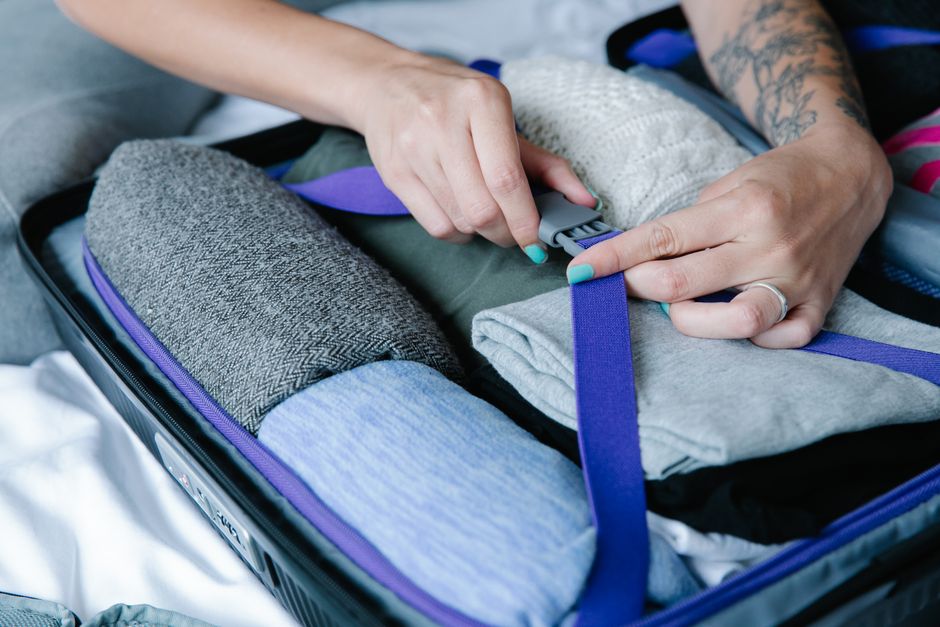
The choice of carry-on bag is critical to the success of minimalist travel. It must comply with airline size restrictions, typically around 22 x 14 x 9 inches, but it also needs to be durable, lightweight, and designed for efficient packing. Hard-shell suitcases offer protection for fragile items, while soft-sided backpacks are flexible and easier to store under a seat. Many travelers prefer backpacks because they leave hands free and are more manageable on uneven terrain. When considering dimensions, always verify with the specific airlines you plan to use, as limits can vary. Beyond size, look for features such as compression straps, multiple compartments, and a sturdy handle. Compression straps help reduce the volume of clothes, allowing you to fit more into a limited space. The weight of the bag itself is equally important; aim for one that is under three pounds to leave more allowance for contents.
It is also worth considering a personal item, like a daypack or tote, that can hold your electronics, documents, and other essentials. This secondary bag can maximize your total allowance and serve as a daypack during trips. When shopping, test the bag’s comfort and ease of access. Pockets that open fully and allow neat organization can prevent frustration during security checks. Ultimately, the best bag is one that feels comfortable to carry, fits within guidelines, and supports your travel style. Take time to research and consider user reviews to make an informed decision.
Mastering Packing Techniques and Organization
Effective packing is more than simply folding clothes and placing them inside a bag. Various methods can help optimize space and minimize wrinkles. Rolling clothes is a classic technique that saves space and keeps items compressed. For bulkier items, vacuum-sealed compression bags can dramatically reduce volume, though they require access to a vacuum. Another method, the bundle wrap, involves layering clothes around a core of soft items, creating a compact bundle that resists creasing. Many travelers find packing cubes to be invaluable. These lightweight containers allow you to categorize items: one cube for tops, another for bottoms, and a third for undergarments. Using cubes not only keeps your bag organized but also enables you to retrieve specific items without disturbing everything else. This organization is particularly beneficial when you’re moving between accommodations frequently.
When packing liquids, comply with airline regulations by using travel-sized containers and placing them in a clear, resealable bag. Make a list of toiletries and opt for multi-purpose products like shampoo that doubles as body wash or a moisturizer with sunscreen. Remember that you can often purchase toiletries at your destination, so avoid packing bulky items. For electronics, consolidate charging cables and consider a universal adapter. Keep a small pouch for these items to prevent tangling. Place essential items, such as medications and a change of clothes, in an easily accessible location in case you need them during transit. The way you organize your bag can significantly impact your travel experience, so it’s worth experimenting to find the system that works best for you.
Managing Laundry and Clothing Care
When traveling for weeks with a carry-on, laundry becomes an integral part of your routine. To avoid overpacking, plan to wash clothes every few days. This can be done in sinks, or you can use laundry services at hotels or launderettes. A compact travel clothesline or a piece of paracord can be handy for air-drying garments. Many travelers bring a small amount of laundry detergent, either in liquid form or as sheets, which are mess-free and easy to pack. Quick-drying fabrics are advantageous here, as they can be washed in the evening and be ready by morning. Scheduling a laundry break can also be an opportunity to explore a neighborhood or simply rest.
To minimize the number of times you need to wash, consider adopting a “wear and re-wear” approach. Items like trousers and outerwear can be worn multiple times before needing a wash, while underclothes and socks need frequent washing. Spot cleaning with a damp cloth can extend the life of garments between washes. When choosing clothes, consider how they handle stains and odors. Fabrics with antibacterial properties, such as merino wool, require less frequent washing. By incorporating laundry into your itinerary, you can pack fewer items while maintaining cleanliness and hygiene. This approach allows you to travel lighter and with greater flexibility.
The Role of Accessories and Miscellaneous Items
Accessories can enhance both comfort and practicability during a carry-on trip, but they should be chosen with space constraints in mind. A lightweight scarf or pashmina can double as a blanket on cold flights or as a cover-up at religious sites. A compact travel umbrella or a rain shell ensures you’re prepared for unexpected weather without taking up excessive space. For electronics, a portable charger is a sensible addition, ensuring your devices remain powered during long days of sightseeing. A small daypack that folds into a stuff sack is useful for trips from your base, but it should be lightweight and collapsible.
When packing, also consider the season and destination-specific items. For example, if you’re visiting a destination with varying temperatures, layers are essential. A travel steamer or wrinkle releaser spray can help keep clothes looking sharp, but they add weight. Those who need to stay connected may bring a lightweight laptop or tablet, but these contribute to total weight and space. The key is to prioritize items that serve multiple functions and are used frequently. Avoid packing “just in case” items; instead, rely on the availability of goods at your destination if needed. By being selective and mindful, you can keep your bag light while enjoying a comfortable trip.
Minimalist travel is not about what you give up; it’s about what you gain in flexibility and freedom.
Ultimately, packing light for weeks on the road is a skill that requires practice and adaptation. By building a capsule wardrobe, choosing the right bag, mastering efficient packing techniques, integrating laundry into your travel rhythm, and carefully selecting accessories, you can enjoy a seamless and liberating journey. As you refine your approach, you’ll discover that having fewer belongings enhances your ability to move spontaneously and fully immerse yourself in the experiences that await. Whether you’re navigating bustling city streets or hiking through quiet trails, a well-curated carry-on allows you to travel with confidence and comfort.