A Foodie’s Guide to Street Food in Bangkok
Bangkok is widely recognized as a global hub for street food, where the bustling sidewalks and narrow alleys transform into open-air kitchens during the day and night. The city’s culinary landscape offers an intricate tapestry of flavors, textures, and aromas that reflect centuries of cultural exchange and local innovation. For those who approach eating as a way to understand a place, navigating this vibrant scene requires both curiosity and a bit of guidance.
In this guide, we explore the essential dishes that define Bangkok’s street food culture, along with the neighborhoods and markets where they are typically found. We focus on providing practical information about the variety of offerings, the methods behind their preparation, and the cultural context that makes them unique. Whether you are a seasoned traveler or a first-time visitor, this overview aims to enhance your experience by explaining what to look for and how to appreciate the craftsmanship of street vendors.
Our approach is informational and neutral, seeking to highlight the diversity of choices available without making definitive claims about the best or must-try items. The street food scene in Bangkok is dynamic and personal; what appeals to one person may not appeal to another. Therefore, we present a range of options, describe their typical characteristics, and share where they are commonly available, allowing you to form your own preferences as you explore.
The Cultural and Culinary Context
Street food in Bangkok is more than just a quick meal; it is an integral part of daily life and social interaction. For many residents, buying food from street stalls is a daily ritual, offering convenience, affordability, and a connection to traditional cooking methods that have been passed down through generations. The vendors often specialize in a particular dish, perfecting their recipes over years, and their stalls become landmarks in their communities.
Understanding the cultural backdrop enhances the appreciation of street food. The influence of Chinese immigrants, for instance, is evident in dishes like kuay teow (noodle soup) and pad see ew, while the central Thai palate favors a balance of sweet, sour, salty, and spicy elements. Additionally, the practice of eating at communal tables or on small plastic stools encourages a sense of shared experience, where strangers may sit side by side and enjoy their meals together.
Moreover, the street food ecosystem is closely tied to the rhythm of the city. Markets such as Chatuchak on weekends and Chinatown in the evenings offer a concentrated array of stalls, while during the day, office areas see a proliferation of lunchtime vendors. This temporal dimension means that the same street can offer different dishes at different times of day, making exploration a matter of timing as much as location.
When considering food safety and hygiene, it is important to note that Bangkok’s street food vendors are regulated by the local authorities, who conduct inspections and enforce standards. While no food system is without risk, the vast majority of stalls maintain high levels of cleanliness, and observing a busy stall with a high turnover of ingredients is often a good indicator of freshness. Travelers with dietary restrictions or allergies should communicate clearly with vendors, as language barriers can sometimes lead to misunderstandings.
Signature Dishes and Where to Find Them
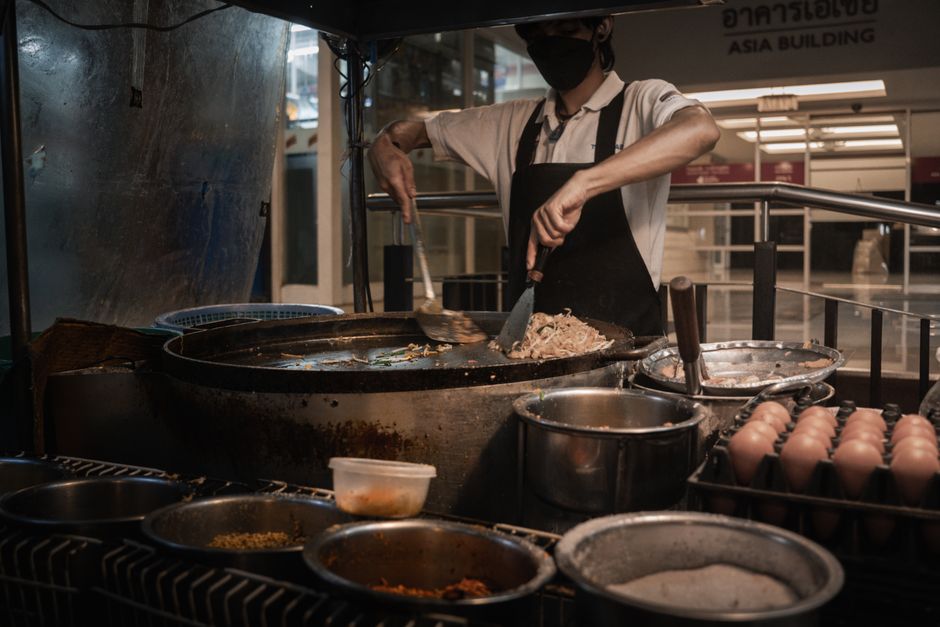
The repertoire of Bangkok street food is vast, but several dishes stand out as iconic representations of the city’s culinary heritage. Pad thai, possibly the most famous Thai dish internationally, is a stir-fried noodle preparation that typically includes shrimp or chicken, tofu, eggs, and bean sprouts, all flavored with tamarind paste, fish sauce, and palm sugar, and garnished with peanuts and lime. While versions vary, the key lies in achieving a balance of sweet, sour, and savory notes. In Bangkok, notable places to sample pad thai include Thip Samai near the Golden Mount, which has been serving its version for decades, and various stalls in the Yaowarat (Chinatown) area that offer their own twists.
Another beloved option is mango sticky rice, a dessert that combines sweet glutinous rice cooked in coconut milk with ripe mango slices, often topped with crispy mung beans or coconut cream. This dish is especially popular during the mango season, typically from April to June, and can be found at numerous dessert stalls and market vendors. The combination of warm, creamy rice with fresh, juicy mango creates a delightful contrast of temperatures and textures.
Beyond these well-known items, the street food landscape includes a multitude of soups, curries, grilled meats, and fried snacks. Tom yum goong, a hot and sour soup with shrimp, is a classic that showcases the bold flavors of lemongrass, kaffir lime leaves, and galangal. Som tam, a green papaya salad originating from the northeast, offers a spicy and tangy kick, often paired with sticky rice and grilled chicken. Satay skewers, marinated in turmeric and coconut milk and served with peanut sauce, reflect Muslim influences and are commonly available in areas like Sukhumvit Soi 38 and the Old Town.
For those seeking a broader tasting experience, visiting a floating market such as Damnoen Saduak or Taling Chan provides a unique visual and gustatory adventure, where vendors sell boat noodles, fresh fruits, and coconut-based desserts from their small boats. However, these markets are more tourist-oriented and may have higher prices; alternatively, local markets like Or Tor Kor, adjacent to Chatuchak Park, offer a more authentic atmosphere with a focus on high-quality ingredients and ready-to-eat dishes.
Navigating the Markets and Streets
To fully appreciate Bangkok’s street food, it is essential to understand the layout and culture of its markets. The city is dotted with numerous markets that serve different purposes and times of day. The largest and most famous is Chatuchak Weekend Market, which spans over 35 acres and hosts thousands of stalls, including a dedicated food section where visitors can sample a variety of dishes in one place. The market’s labyrinthine layout can be overwhelming, but it is an excellent opportunity to taste everything from coconut ice cream to grilled river prawns.
Chinatown, or Yaowarat, is another must-visit destination for street food enthusiasts, especially in the evening when its narrow streets fill with vendors selling dishes like roasted duck noodles, bird’s nest soup, and fresh seafood. The area’s historic character and vibrant atmosphere make it a favorite among locals and tourists alike. To navigate effectively, it is advisable to go with an empty stomach and a flexible attitude, allowing for spontaneous discoveries.
For those staying in the Sukhumvit area, Soi 38 is a former food alley that has transformed into a collection of street stalls and small shops, offering convenience and consistency. While it may be less atmospheric than other spots, it provides easy access to a range of staples, including pad thai, grilled pork skewers, and tropical fruit drinks.
When exploring these areas, a few practical tips can enhance the experience. First, observe where locals are eating; a stall with a long line of Thais is often a sign of quality. Second, try to visit during off-peak hours to avoid long waits and potential overcrowding. Third, come with cash in small denominations, as many vendors do not accept credit cards. Lastly, be adventurous and try dishes that may be unfamiliar, as some of the most memorable meals arise from stepping out of one’s comfort zone.
The Role of Timing and Seasonal Availability
Bangkok’s street food scene is highly sensitive to time of day and season, which influences the availability and quality of certain dishes. Breakfast offerings may include rice porridge (jok), dim sum, or grilled meats with sticky rice, while lunchtime brings a wave of noodle shops and rice-based dishes. As evening approaches, the focus shifts to heartier meals, with many stalls opening only at sunset and operating late into the night.
Seasonal fruits and vegetables play a significant role in menu variations. Mangoes, as mentioned, are celebrated during the hot season, while durian, a divisive fruit, appears from May to August. Other fruits like rambutan and longan have their own windows, and vendors may adjust their offerings accordingly. It is worthwhile to time visits to markets when seasonal items are at their peak to experience the freshest versions.
The holiday periods, such as the Chinese New Year in Chinatown or the Songkran (Thai New Year) festival in April, bring special treats and an lively atmosphere. During these times, stalls may prepare special recipes that are not normally available, providing an opportunity to taste unique dishes that are part of the celebration.
For individuals with a flexible schedule, it is advisable to plan food excursions based on the optimal times for specific markets. For instance, the Yaowarat district comes alive after 6 p.m., while the Amulet Market near Sanam Luang is best visited in the early morning. Understanding these rhythms can help streamline the exploration process.
Engaging with the Vendors and Local Customs
Interacting respectfully with vendors contributes to a positive street food experience. While many vendors in tourist areas speak some English, learning a few Thai phrases can go a long way in showing respect and facilitating communication. Simple greetings like “sawasdee khrap/kha” (hello) and expressions of gratitude like “khob khun khrap/kha” (thank you) are appreciated. When ordering, pointing at the dish or using hand gestures is often effective if language barriers arise.
Customs around eating and payment are also worth noting. Many stalls have communal tables where you can sit and enjoy your meal, and it is customary to share tables with strangers. Before leaving, it is polite to place your utensils neatly on the plate and dispose of any trash in the provided receptacles. Tipping is not generally expected, but leaving small change is seen as a kind gesture.
Additionally, it is important to respect the idea of “sanuk” (fun) and “mai pen rai” (never mind) in the Thai cultural context. Vendors may work in challenging conditions, but they often maintain a cheerful demeanor, and it is best to approach interactions with patience and humor.
For travelers who wish to engage more deeply, some culinary schools offer market tours that include guided visits to street stalls, providing background information on ingredients and cooking techniques. These experiences can enrich one’s understanding of the food culture and offer a structured way to explore.
Practical Considerations for Travelers
When planning a street food journey in Bangkok, several practical aspects deserve attention. The city’s tropical climate means that hydration is critical; it is recommended to drink bottled or purified water, and many vendors offer fresh coconut water or fruit shakes as delicious alternatives. It is also wise to carry a small bottle of hand sanitizer and use it before eating, as touching food with bare hands is common in some settings.
While most travelers experience no issues, those with sensitive stomachs may want to start with cooked dishes rather than raw salads or uncooked vegetables, and gradually introduce more adventurous items. Foods that have been fried or boiled and served hot are generally considered lower risk. It is also prudent to bring any personal medications, such as antacids or oral rehydration salts, just in case.
Finally, the scope of a street food exploration can be vast, and it may be helpful to prioritize based on personal preferences. Whether one seeks the thrill of trying fermented fish sausage (som moo) or the comfort of a well-made khao man gai (chicken rice), Bangkok’s alleys present a never-ending array of possibilities. The city’s street food culture is both welcoming and adaptable, ensuring that there is something for every palate and dietary need.
“Bangkok’s street food is a living library of local taste, where each vendor adds a chapter to the city’s gastronomic story.”