10 Hidden Gems in Portugal Beyond Lisbon
Portugal is a country that captivates travelers with its rich history, vibrant culture, and stunning landscapes. While Lisbon and the Algarve often steal the spotlight, there exists a treasure trove of lesser-known destinations that offer equally compelling experiences. For those willing to venture beyond the familiar, Portugal reveals a side that is both authentic and enchanting. This article explores ten such hidden gems, each providing a unique glimpse into the country’s diverse character.
From medieval villages perched on hilltops to secluded coves along the Atlantic coast, these destinations are perfect for travelers seeking a deeper connection with the land and its people. They represent a different pace of life, where tradition is preserved and nature remains untouched. Whether you are a seasoned explorer or planning your first trip to Portugal, these spots promise to enrich your journey with genuine encounters and lasting memories.
Where to Find Portugal’s Hidden Gems
The concept of a hidden gem is subjective, as what is undiscovered to one person may be a well-known local favorite to another. In Portugal, the true hidden gems are often those places that are not featured in mainstream travel guides or heavily promoted by tourism boards. They tend to be located away from the main tourist corridors, requiring a bit of extra effort to reach. This effort is rewarded with a sense of discovery and a more intimate experience with the local culture.
Geographically, these spots can be found in almost every region of mainland Portugal, from the northern Minho province to the southern Alentejo coast. Some are nestled in the interior, where rolling hills and vineyards dominate the landscape. Others are positioned along the rugged coastline, where dramatic cliffs meet the sea in a symphony of natural beauty. By exploring these areas, travelers can avoid the crowds and immerse themselves in the authentic rhythms of Portuguese life.
When planning a journey to these destinations, it is advisable to allow ample time for travel and to be flexible with itineraries. Public transportation may be limited in some areas, so renting a car can offer greater freedom. Additionally, visiting during shoulder seasons, such as late spring or early autumn, can provide pleasant weather and fewer visitors, enhancing the overall experience. The effort invested in reaching these places is often part of the adventure, leading to moments of discovery that define a memorable trip.
Five Charming Towns Off the Beaten Path
The towns of Portugal, particularly those away from the bustling city centers, are repositories of history and tradition. They offer a window into the country’s past and present, where locals continue to practice age-old crafts and culinary customs. For travelers, these towns provide an opportunity to witness a way of life that remains unchanged by modernity. Each of the following five towns has a distinct character, shaped by its geography and history.
One such town is Monsaraz, located in the Alentejo region near the Spanish border. This fortified hilltop village is surrounded by ancient walls and offers panoramic views of the Alqueva Dam and the surrounding plains. Its narrow cobblestone streets lead to a medieval castle, and the whitewashed houses are adorned with flowers, creating a picturesque setting. Visitors can explore the town’s history at the local museum or simply enjoy the serene atmosphere from one of the open-air cafés.
Another is Óbidos, a charming walled town in central Portugal that enchants with its well-preserved medieval architecture. Its main gate leads to a labyrinth of streets lined with traditional shops selling ginjinha, a local cherry liqueur, and intricate lacework. The town is also famous for its annual chocolate festival and its Christmas village, which transforms the historic center into a festive wonderland. Despite its popularity among day-trippers from Lisbon, staying overnight allows for a more tranquil experience.
Further north, the town of Guimarães holds the title of the birthplace of Portugal, as it was the first capital of the country. Its historic center is a UNESCO World Heritage site, characterized by narrow alleys, ancient churches, and grand squares. The imposing Guimarães Castle overlooks the town, symbolizing the nation’s origins. Visitors can delve into the rich history at the Palace of the Dukes of Bragança or explore the modern art installations at the Vila Flor Cultural Center.
In the central region, the village of Piódão appears almost frozen in time, with its schist stone houses cascading down a hillside. Tucked away in the Serra do Açor mountains, this remote settlement is a testament to traditional Portuguese architecture, with roofs made of black shale. Its isolation has preserved a way of life that revolves around agriculture and community. Hiking trails from the village lead to breathtaking viewpoints over the verdant valleys, offering a glimpse of pristine nature.
Finally, the coastal town of Aveiro, often called the Venice of Portugal because of its canals and colorful moliceiro boats, deserves mention. While it is not entirely unknown, it remains less frequented by international tourists compared to Lisbon or Porto. Its Art Nouveau architecture, vibrant market, and proximity to the sandy beaches of Costa Nova make it a delightful stop. Visitors can enjoy a boat ride along the calm waters or sample the local ovos moles, a sweet egg-based confection.
Coastal Escapes and Scenic Routes
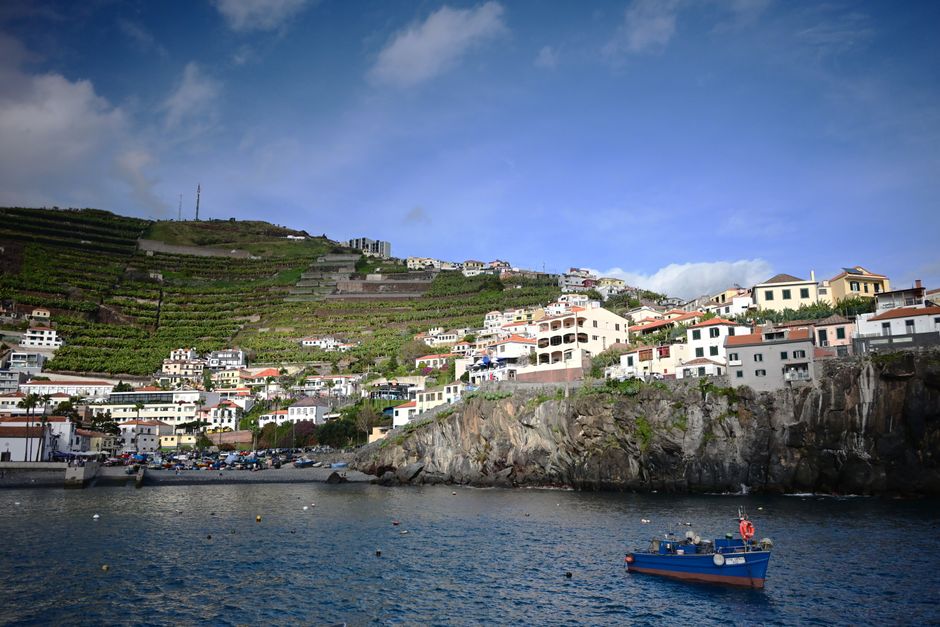
Portugal’s coastline is a mosaic of dramatic cliffs, secluded beaches, and scenic viewpoints. Beyond the famous stretches of the Algarve, there are numerous hidden coastal spots that offer a more unspoiled experience. These locations are ideal for those who wish to connect with the sea and the landscape in a quieter setting. Exploring these areas often involves a combination of hiking, swimming, and simply savoring the natural environment.
The Alentejo coast, for instance, boasts some of the most pristine beaches in Portugal, such as Praia da Odeceixe, which lies at the border with the Algarve. This beach is framed by golden cliffs and is particularly popular with surfers due to its consistent waves. The nearby village of Odeceixe is a charming base with a traditional windmill and narrow streets. A short drive south, the beach at Zambujeira do Mar offers dramatic sunsets and is a favorite spot for local wildlife enthusiasts, as the surrounding cliffs serve as nesting sites for various seabirds.
On the western Atlantic coast, the region around Peniche is known for its rugged beauty and legendary surf spots, such as Supertubos, which hosts international competitions. While Peniche itself is a hub for surfers, the nearby Berlangas Islands are less known and can be visited by boat. These islands are a nature reserve, home to unique flora and fauna, and offer a remote escape from the mainland. The largest island, Berlenga Grande, features a historic monastery and clear waters ideal for snorkeling.
Further north, the Costa Vicentina Natural Park stretches along the southwestern coast, providing a protected area of outstanding scenery. The park encompasses dramatic sea cliffs, sandy coves, and heathland trails that are perfect for hiking. The small fishing villages of Aljezur and Carrapateira are gateways to this wild coastline, where visitors can discover hidden caves and beaches accessible only by foot or boat. At the northern tip, the cape of São Vicente in the Algarve is a striking viewpoint where the land meets the Atlantic in a spectacular fashion.
For those who prefer scenic drives, the route along the N222 from Peso da Régua to São João da Pesqueira in the Douro valley offers stunning vistas of terraced vineyards and the winding river below. This road is often cited as one of the most beautiful in the world, providing ample opportunities for photo stops and short walks into the vineyards. Similarly, the coastal road between Sines and Porto Covo passes by serene beaches and offers panoramic views of the ocean.
Tips for Planning Your Off-the-Beaten-Path Adventure
Visiting hidden gems requires a different approach to planning compared to conventional tourism. To fully appreciate these lesser-known places, it is beneficial to adopt a flexible mindset and a willingness to embrace the unexpected. Researching ahead, but leaving room for spontaneity, can lead to memorable discoveries. It is also important to respect local guidelines and the environment, as many of these areas rely on tourism without compromising their natural or cultural integrity.
Accommodation options in these destinations may range from traditional guesthouses and farm stays to boutique hotels that emphasize sustainability. Staying in a local guesthouse often provides an opportunity to interact with residents and gain insights into their daily lives. Additionally, sampling regional cuisine at family-run restaurants offers a taste of Portugal beyond the tourist menus. Each region has its own specialties, from fresh seafood on the coast to hearty stews inland.
When planning an itinerary, consider grouping destinations that are geographically close to minimize travel time. For example, a route that combines Monsaraz, Évora, and the Alentejo coast can be a cohesive journey. Similarly, pairing Óbidos with a trip to the nearby medieval town of Nazaré, known for its giant waves, can be a unique experience. Transportation is a key factor; while public transport exists, it may be infrequent in rural areas, so renting a car is often recommended for convenience and flexibility.
Exploring the hidden gems of Portugal is not about ticking off a checklist of sights, but rather about immersing oneself in the essence of the country and allowing the journey to unfold naturally.
Travelers should also consider the season and weather when planning visits to coastal and mountainous areas. Spring and autumn are particularly pleasant, offering mild temperatures and fewer crowds. In the summer, coastal destinations can become busier, although the hidden gems remain relatively peaceful. In the winter, some inland villages may be quiet, and certain facilities might have limited hours, so it is wise to check in advance.
By seeking out these lesser-known treasures, travelers can gain a more nuanced understanding of Portugal’s heritage and natural beauty. The effort to venture beyond the well-trodden paths is rewarded with authentic encounters and a sense of discovery that transcends conventional tourism.